Dental problems do not always announce themselves with pain. A small cavity, irritated gums, or a worn filling may go unnoticed until it begins affecting everyday activities. Preventive care gives patients and their dental professionals opportunities to identify changes early, discuss risks, and choose practical steps before treatment becomes more involved.
The purpose of preventive dental services is not to promise a lifetime without cavities. It is to help people maintain healthy teeth and gums through examinations, professional cleanings, personalized guidance, and treatment when appropriate. Understanding what happens at these visits can make it easier to build a routine that fits individual needs.
Understanding What Preventive Care Includes
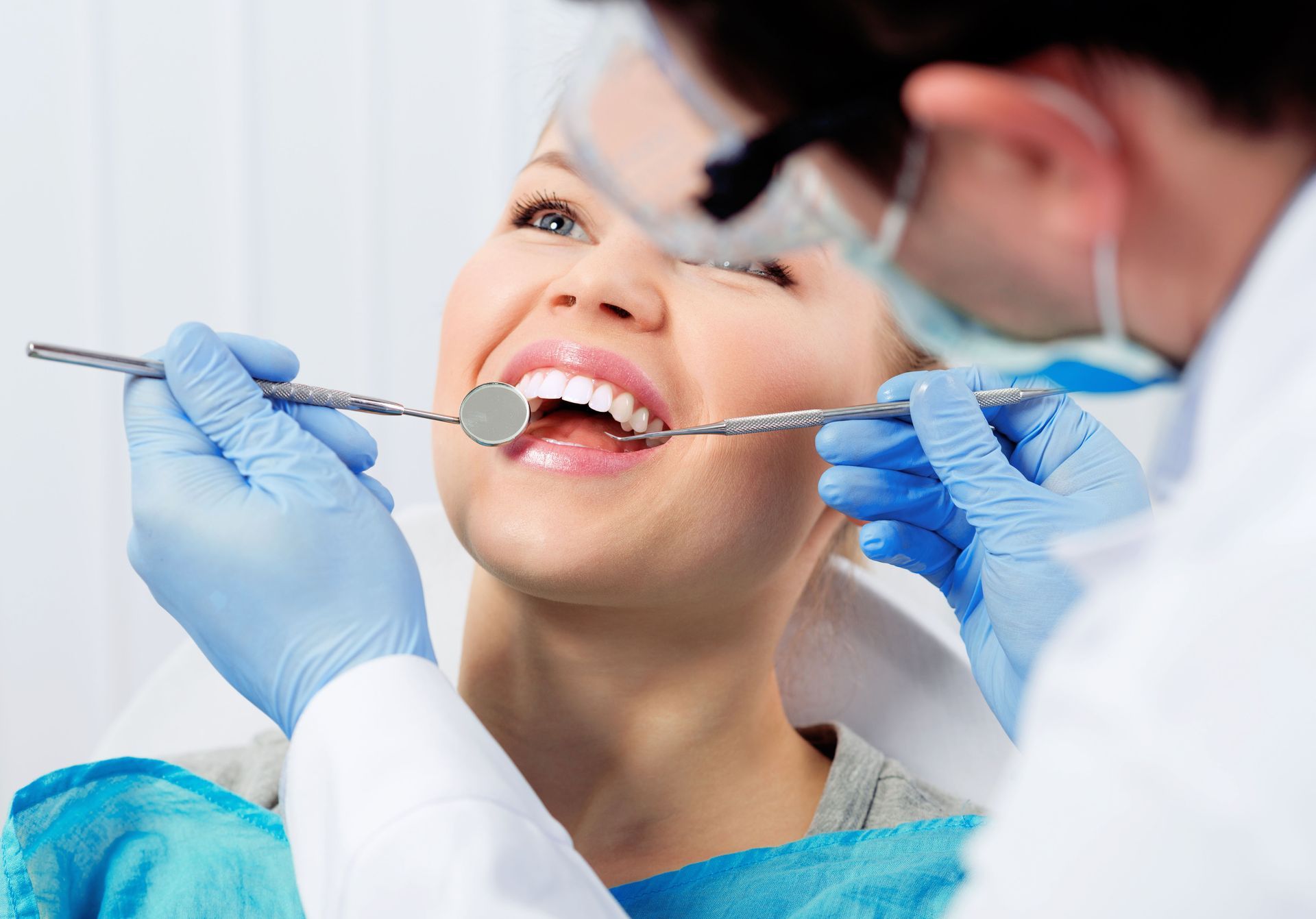
Preventive dentistry brings together several kinds of care rather than relying on a single procedure. An appointment may involve checking teeth for decay, evaluating gum health, reviewing medical history, and looking for changes in the soft tissues of the mouth. Dental professionals may also examine existing fillings or crowns for signs of damage.
Depending on the person's age and risk factors, recommendations might include fluoride applications, dental sealants, or imaging when clinically appropriate. Not everyone needs every treatment. The most useful plan considers past dental problems, current symptoms, medications, oral hygiene habits, and changes in overall health. Patients should feel comfortable asking why a procedure is recommended and how it contributes to their care. A written explanation can make recommendations easier to compare, particularly when several choices are available.
Identifying Concerns Before They Become Complicated
Early tooth decay can develop without noticeable discomfort. Gum inflammation may also begin with mild bleeding during brushing rather than pain. A dental exam can identify signs that deserve attention, allowing patients to consider smaller interventions when they are suitable instead of waiting for substantial damage.
Preventive dental services also provide a way to monitor concerns over time. A dentist may photograph a questionable area, assess whether a restoration is wearing down, or recommend additional testing before making a treatment decision. Early detection does not mean every finding needs immediate drilling or extensive work. Sometimes improved home care, fluoride, or careful observation is appropriate. What matters is understanding the issue and having a clear follow-up plan.
Keeping Plaque and Tartar Under Control
Brushing and cleaning between teeth remove much of the plaque that collects every day, but some areas are difficult to reach consistently. When plaque hardens into tartar, ordinary brushing cannot remove it. Professional cleanings help address those deposits and give dental hygienists an opportunity to examine areas that may need extra attention at home.
Cleaning needs vary. Someone with healthy gums may follow a different schedule from a patient managing periodontal disease. Certain people need specialized treatment rather than a routine cleaning alone. During dental services, a hygienist can explain which findings affect that recommendation and demonstrate techniques for cleaning around crowded teeth, bridges, or other dental work. Practical guidance is more useful than a one-size-fits-all checklist.
Considering Fluoride and Sealants for Added Protection
Fluoride strengthens tooth enamel and can help limit the progression of early decay. It is available through fluoridated toothpaste and, when indicated, professional applications. A dentist may recommend additional fluoride for someone with frequent cavities, dry mouth, exposed root surfaces, or another factor that raises decay risk.
Sealants serve a different purpose. These thin protective coatings are placed on the chewing surfaces of appropriate back teeth, where deep grooves can trap food and bacteria. They are commonly used for children and teenagers, although some adults may benefit. Preventive dental services can help families understand whether either option makes sense based on a patient's teeth, history, and ability to maintain daily hygiene. Neither replaces brushing, cleaning between teeth, or regular examinations.
Paying Attention to Changes Beyond the Teeth
A dental visit can reveal concerns involving the tongue, gums, cheeks, and other oral tissues, not just cavities. During an examination, a dentist may look for persistent sores, unusual patches, lumps, or other changes that need evaluation. These findings have many possible causes and do not automatically indicate cancer.
According to the American Cancer Society, just over 20% of oral cavity and oropharyngeal cancer cases occur in people younger than 55. That makes it important not to assume that younger adults can ignore persistent mouth or throat symptoms. Oral examinations are one part of dental services, but they cannot definitively diagnose cancer or guarantee that every case will be detected. A sore that does not heal, unexplained bleeding, or a persistent lump warrants prompt professional assessment, even between routine appointments.
Supporting Dental Health Between Appointments
The strongest preventive plan continues at home. Brushing twice daily with fluoride toothpaste and cleaning between teeth daily help control plaque. A soft-bristled toothbrush and gentle technique can clean effectively without unnecessary abrasion. Dental professionals can recommend floss, interdental brushes, or other tools based on a person's teeth and dexterity.
Eating and drinking habits also influence oral health. Frequent exposure to sugary foods or drinks gives mouth bacteria more opportunities to produce acids that contribute to decay. Water is generally a useful everyday drink, and limiting tobacco use helps reduce important oral health risks. Patients receiving dental services can ask for realistic changes tailored to their routines rather than trying to overhaul every habit at once. Consistency matters more than complicated products.
Making Care Easier to Access and Understand
Busy schedules, transportation, costs, and dental anxiety can all make appointments harder to arrange. People may delay a visit because they are unsure what will happen or worry that a dentist will judge the condition of their teeth. Clear explanations and respectful conversations can make preventive care less intimidating.
Patients can ask about estimated fees, insurance benefits, appointment length, and what treatment is essential versus optional. Someone feeling anxious may benefit from discussing breaks, signals to pause, or other comfort measures before an exam begins. When exploring dental services, it helps to choose a practice willing to answer questions without pressure. Access is not only about getting an appointment; it also means understanding recommendations well enough to make informed choices.
Choosing a Schedule Based on Personal Needs
Twice-yearly appointments are familiar, but they are not a universal requirement. Visit frequency should reflect the individual's oral health, history of decay or gum disease, medical circumstances, and the dentist's assessment. Some people benefit from more frequent monitoring, while others can safely follow a different schedule.
It also helps to mention changes between visits, including new medications, persistent dry mouth, bleeding gums, sensitivity, or a damaged tooth. These details may affect both prevention and treatment planning. A useful visit ends with clear next steps: what to watch, which habits to adjust, and when to return. That guidance makes the appointment more valuable than simply checking another task off a calendar. Keeping a short list of questions before a visit can help patients discuss concerns they might otherwise forget.
Building a Practical Plan for Lasting Oral Health
Preventive care works best as an ongoing partnership. Examinations can reveal early concerns, cleanings support daily hygiene, and targeted treatments offer additional protection when they are needed. A thoughtful approach respects each patient's history, comfort, and priorities rather than treating every mouth the same way.
Grand Island Dental Center can help patients discuss preventive
dental services and identify appropriate next steps for their oral health. Contact the office to ask about an examination and a care schedule that reflects your needs.